Tracing Connections Between Dealer Interactions and Promotional Structures in Digital Gaming Environments
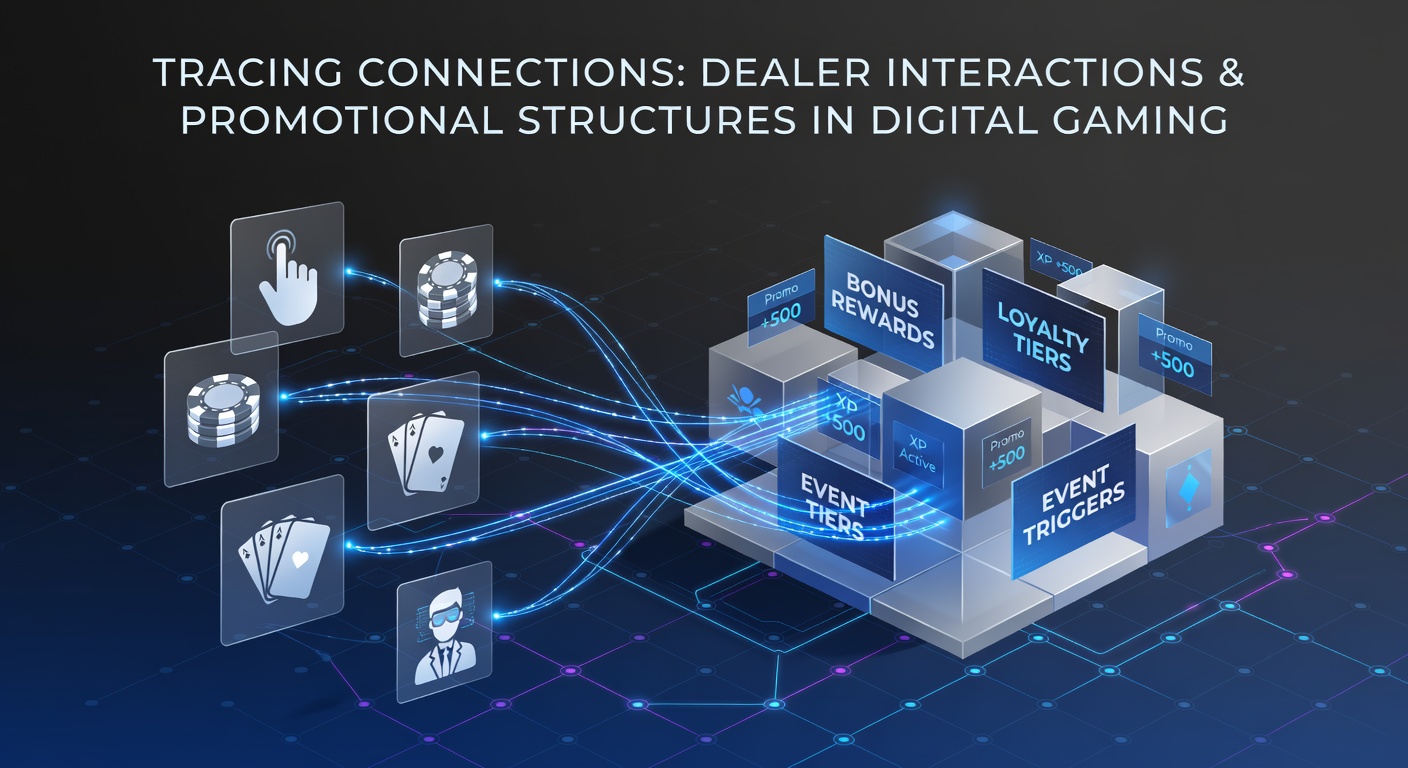
Digital gaming platforms have expanded rapidly since the early 2020s, with live dealer games forming a central part of interactive offerings that blend real-time human elements with automated systems. Observers note that dealer interactions, ranging from brief chat exchanges to personalized game guidance, often feed directly into how operators design and deploy promotional structures such as loyalty rewards, bonus triggers, and targeted campaigns.
These connections appear in data streams where player responses to dealer cues get logged alongside betting patterns, allowing platforms to adjust offers in real time. Figures from industry reports released around May 2026 indicate that live dealer segments accounted for nearly 35 percent of total digital gaming revenue in several regulated markets, highlighting the growing weight of these interactions.
Mechanics of Dealer-Player Exchanges in Virtual Settings
Live dealer interfaces rely on video streams and text or voice chat tools that let players ask questions, comment on gameplay, or receive tips during sessions. Research indicates that such exchanges increase session duration when dealers respond promptly and maintain consistent engagement, with metrics showing average play times extending by 12 to 18 minutes per interaction in tracked European and North American platforms. Platforms capture these moments through metadata tags that later inform promotional algorithms, matching players who favor conversational play with offers like reload bonuses or cashback tiers.
Operators track variables including response speed, topic frequency, and emotional tone through natural language processing tools, then correlate them with deposit behaviors. Data shows that players who initiate three or more dealer chats per session receive customized promotions at rates 25 percent higher than those with minimal interaction, according to aggregated findings from Canadian provincial gaming authorities.
Promotional Frameworks Built on Interaction Data
Promotional structures in digital environments frequently segment users based on engagement profiles derived from dealer sessions. One common approach ties bonus eligibility to chat volume or specific dealer feedback, such as awarding free spins after a player discusses strategy during a blackjack round. Studies from academic sources have documented how these linkages improve conversion rates, with targeted offers achieving uptake levels between 40 and 55 percent in samples drawn from Australian and U.S. markets.
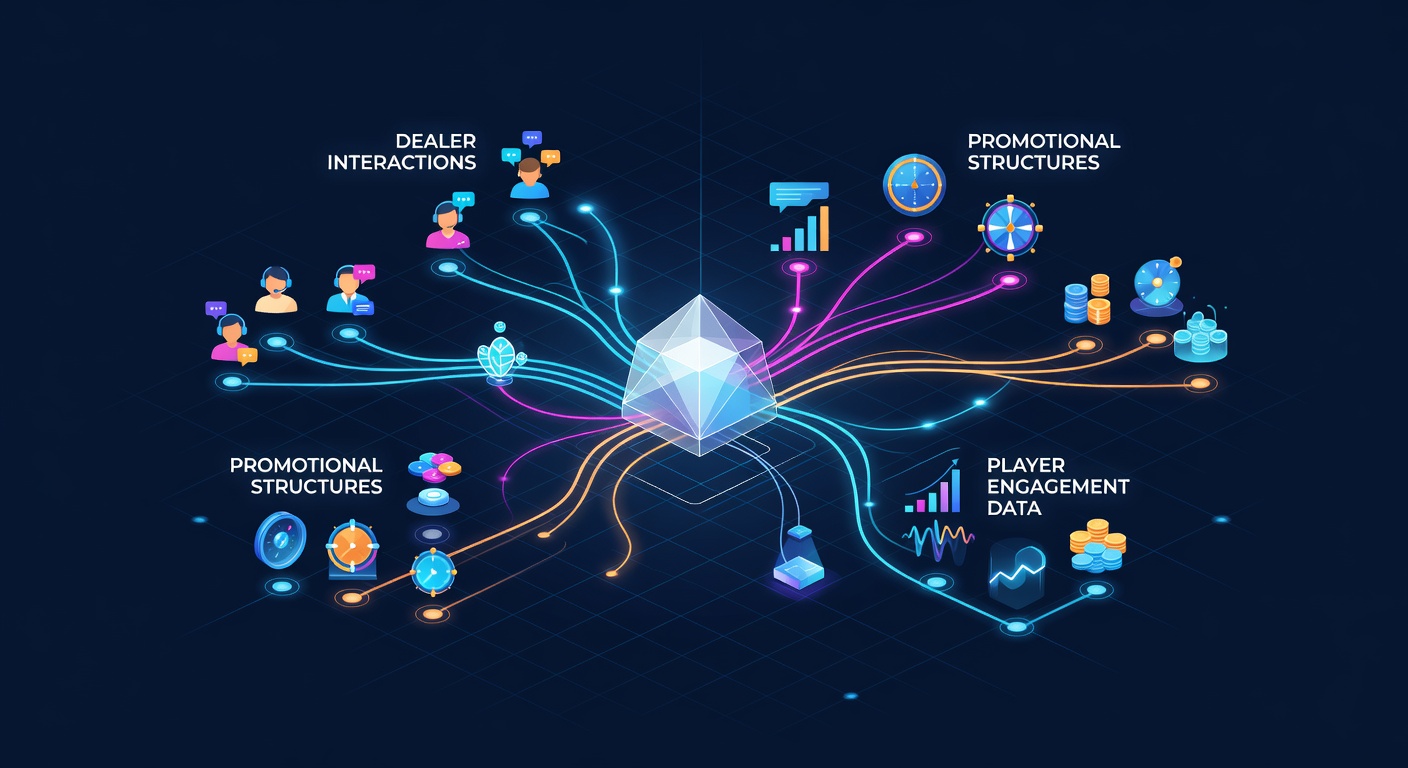
Algorithms adjust promotion frequency and value using historical interaction logs, creating dynamic campaigns that shift daily. For instance, a player who regularly chats about table limits might see loyalty points multipliers appear during peak hours, while another focused on game rules receives tutorial-linked deposit matches. This method draws from real-time analytics that connect dealer notes with broader player lifetime value calculations.
Regional Regulatory Influences on Data Integration
Regulatory frameworks shape how platforms link dealer interactions to promotions, with variations across jurisdictions. In Ontario, licensing requirements mandate transparent data handling for player communications, which has led operators to implement clearer audit trails for promotional targeting. Similar guidelines from Pennsylvania's gaming oversight bodies emphasize consent protocols when interaction data informs bonus structures.
These rules encourage operators to document connections explicitly, reducing discrepancies between observed behavior and delivered offers. Reports compiled in early 2026 noted compliance rates above 90 percent among licensed digital platforms operating under these standards, reflecting steady integration of interaction metrics into promotional planning.
Case Examples from Platform Operations
One documented instance involved a major digital operator that correlated dealer chat logs with a seasonal promotion rollout in spring 2026. Players who discussed specific game variants during sessions received tailored entry into a leaderboard contest, resulting in a 30 percent rise in active participation compared to non-targeted groups. Another platform in a European market adjusted cashback percentages based on chat sentiment scores, aligning higher rewards with positive interaction clusters.
These examples illustrate how raw interaction records translate into structured incentives without relying on manual review. Automated systems process thousands of exchanges daily, applying filters that prioritize patterns such as repeated dealer queries about payout timelines or rule clarifications.
Technical Infrastructure Supporting the Linkages
Backend systems combine customer relationship management software with live streaming APIs to route interaction data into promotional engines. Machine learning models trained on prior campaign outcomes predict which dealer cues precede higher engagement, then trigger matching offers within minutes. Updates to these models occur quarterly, incorporating fresh datasets that include seasonal variations observed through May 2026 monitoring periods.
Security protocols ensure that chat content remains isolated from personal identifiers during initial processing, while aggregated insights feed into broader promotional design. Industry associations have published technical standards that outline minimum encryption levels and data retention periods for these integrated workflows.
Conclusion
Connections between dealer interactions and promotional structures continue to evolve through data-driven refinements in digital gaming. Regulatory updates, platform analytics, and operational examples demonstrate measurable ties that affect how offers reach players across multiple markets. Continued monitoring of these patterns provides ongoing insight into system performance and compliance alignment.