Security Protocols Influencing Promotional Eligibility During Live Interactive Sessions on Portable Devices
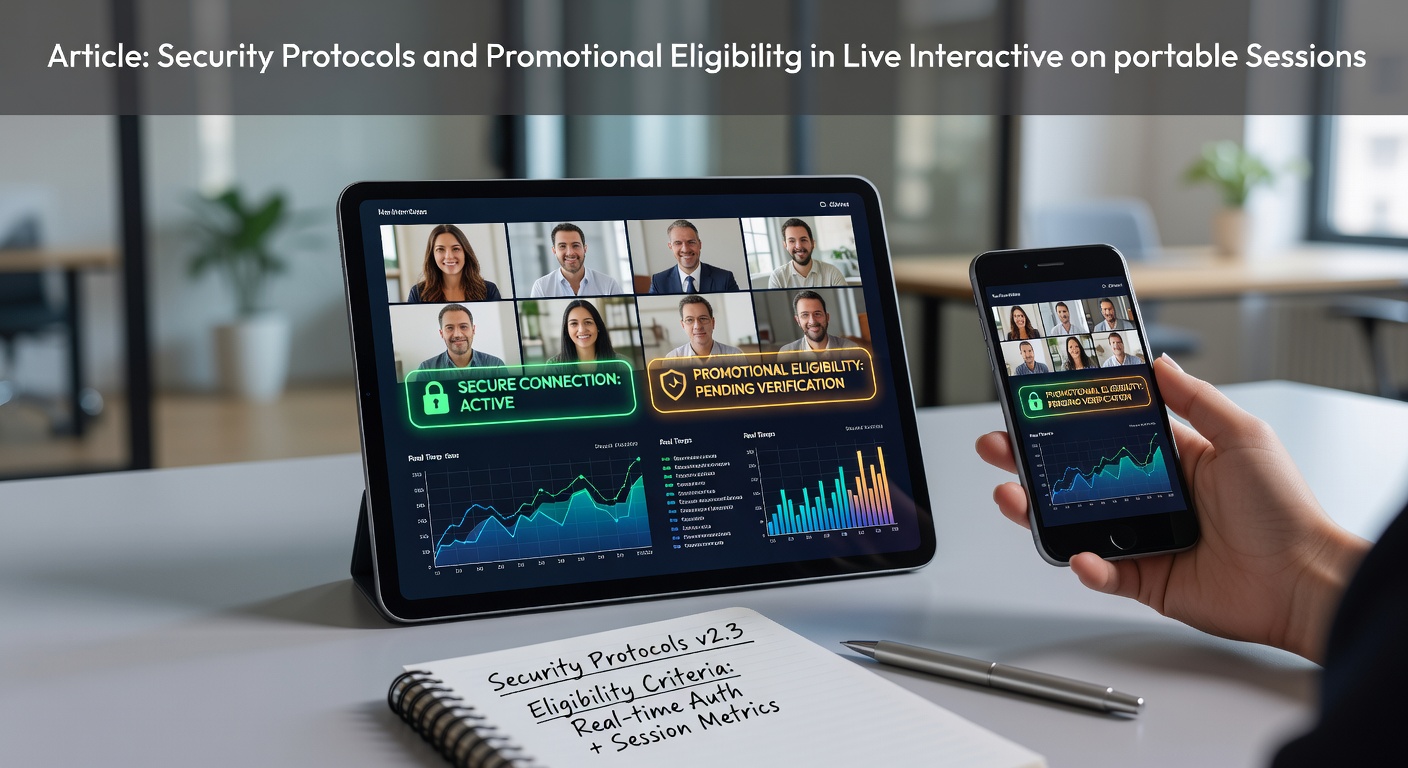
Security protocols play a central role in determining promotional eligibility for participants engaged in live interactive sessions on portable devices, and data from regulatory bodies shows these measures verify user identity, device integrity, and session compliance before any bonus structures activate. Observers note that operators integrate multi-layered authentication systems which scan for unauthorized modifications, location accuracy, and network stability while sessions unfold in real time, and these checks directly gate access to promotional offers tied to extended play periods.
Core Security Mechanisms in Mobile Live Environments
Device fingerprinting combines hardware identifiers with software signatures to create unique profiles that operators cross-reference against known secure configurations, and this process occurs continuously throughout live dealer interactions to flag anomalies that could disqualify a user from promotional rewards. Researchers have documented how biometric verification layers, including facial recognition and fingerprint matching, integrate with session logs to confirm that the same authorized individual remains active, whereas any detected switch or proxy usage triggers immediate eligibility reviews according to standards outlined by the New Jersey Division of Gaming Enforcement.
Encryption standards protect data streams between portable devices and central servers, yet they also serve as eligibility gatekeepers because protocols require unbroken certificate chains to maintain promotional status, and studies from the Australian Institute of Criminology indicate that interruptions in these chains often correlate with suspended bonus activations during peak session hours. Location-based services further refine eligibility by enforcing geo-fencing that aligns with jurisdictional rules, while real-time monitoring detects VPN or emulator usage that could void promotional qualifications.
Impact on Promotional Structures During Extended Sessions
Promotional eligibility hinges on sustained compliance with these protocols, and figures from industry reports reveal that participants who maintain uninterrupted verification sequences qualify for tiered rewards at higher rates than those experiencing brief security flags. Live interactive sessions on portable devices demand constant background checks for malware or rooting attempts, and any positive detection pauses promotional accrual until the device returns to a compliant state, which can extend processing windows by several hours.

Session duration tracking combines with security logs to calculate eligibility windows, and data indicates that promotions often require minimum verified playtime thresholds that reset if a protocol violation occurs mid-session. Those who've examined mobile gaming patterns observe that operators deploy automated alerts when device sensors report unusual movements or network shifts, prompting users to re-authenticate before promotional benefits continue to build.
Regulatory Developments and May 2026 Updates
Regulatory frameworks continue to evolve, and in May 2026 several jurisdictions implemented updated guidelines that tie promotional eligibility more tightly to advanced security metrics on portable platforms. The Gaming Policy and Enforcement Branch of British Columbia introduced requirements for enhanced session logging that records every protocol handshake, and these records now determine whether accumulated play qualifies for ongoing rewards. Industry associations such as the European Gaming and Betting Association have published analyses showing that standardized security audits reduce eligibility disputes by measurable margins across mobile live environments.
Operators respond by embedding compliance dashboards within session interfaces, allowing participants to view real-time eligibility status without disrupting live interactions, and this transparency stems from collaborative efforts between technology providers and oversight agencies. Research indicates that portable device users who encounter fewer protocol interruptions maintain promotional streaks more consistently, particularly when sessions span multiple hours.
Technical Integration and User Experience Factors
API connections between security modules and promotional engines operate in the background, and any mismatch in verification data automatically adjusts reward calculations before the session concludes. Portable device operating system updates can inadvertently affect these integrations, prompting operators to issue compatibility notices that clarify eligibility implications for users running newer versions. Observers note that cross-platform consistency remains a priority, since promotional structures must apply uniformly whether sessions occur on tablets or smartphones.
Case examples from operational reviews demonstrate how a single failed certificate renewal during a live dealer round can place an entire promotional period on hold, and subsequent re-verification restores access only after full protocol compliance returns. These mechanisms ensure that eligibility reflects genuine participation rather than technical circumvention attempts.
Conclusion
Security protocols continue to shape promotional eligibility across live interactive sessions on portable devices through layered verification, continuous monitoring, and regulatory alignment, while May 2026 developments highlight ongoing refinements in these systems. Data from multiple oversight sources confirms that compliance directly influences reward access, and operators maintain these frameworks to balance participant engagement with operational integrity.