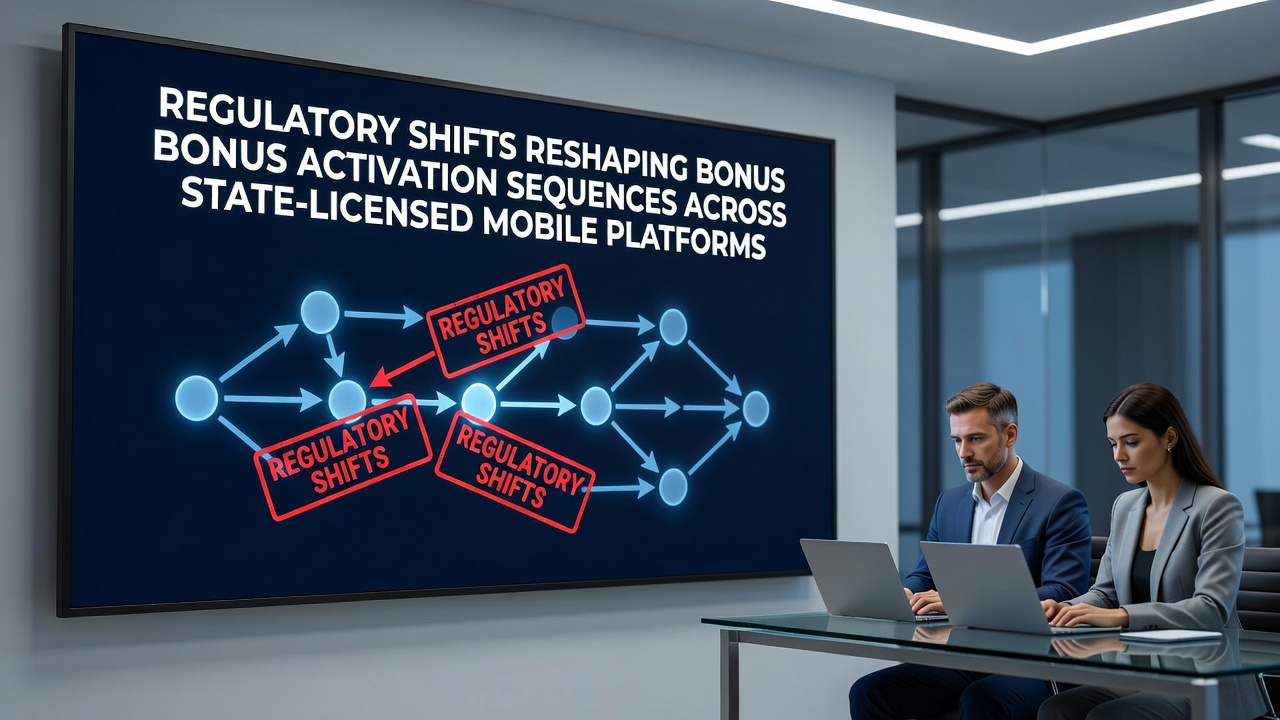
Regulatory Changes Redefine Bonus Activation Processes for Mobile Gaming Platforms in Licensed States
State gaming authorities have implemented new verification layers that alter how bonus activation sequences operate on licensed mobile platforms, with several jurisdictions rolling out updated protocols during the summer of 2026. These adjustments require operators to integrate additional identity checks and spending thresholds before players can unlock promotional credits, a shift that affects everything from initial deposit matches to ongoing loyalty rewards. Data from the New Jersey Division of Gaming Enforcement shows that revised rules took effect in multiple states by August 2026, forcing platforms to recalibrate their mobile apps to comply with sequenced activation requirements.
Key State-Level Updates Driving Sequence Modifications
Legislatures in Pennsylvania, Michigan, and New York introduced mandates that tie bonus releases to cumulative play activity rather than single transactions, which means users must complete a series of in-app actions before funds become available. Observers note that these changes stem from efforts to standardize consumer protections across portable devices, where operators now embed step-by-step verification flows directly into the bonus claim interface. Research from the American Gaming Association indicates that such sequenced requirements have reduced premature bonus claims by measurable margins in the first quarter following implementation.
Technical Adjustments in Mobile App Architecture
Developers responded by rebuilding activation sequences to include progressive unlocking stages, such as mandatory game rounds or deposit confirmations spread across multiple sessions. This approach ensures that bonus eligibility aligns with regulatory timelines, and platforms have incorporated backend timers that pause or reset sequences if users exit the app for extended periods. Those who've studied these updates know that synchronization between payment processors and game servers became essential, since any delay in transaction logging can interrupt the entire activation chain on state-licensed systems.
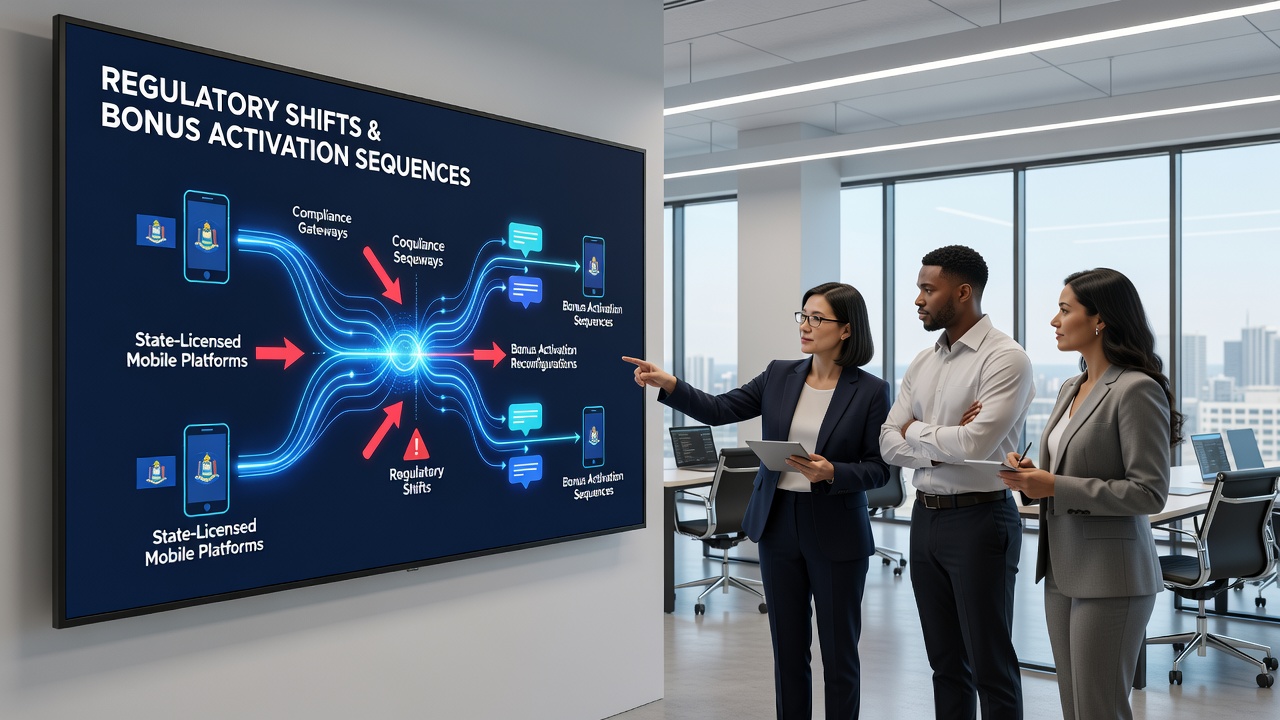
Platforms in states like Connecticut and Illinois adopted similar frameworks by August 2026, where mobile interfaces now display real-time progress indicators for each stage of a bonus sequence. Industry reports highlight that these visual cues help users track compliance steps without leaving the app, while operators integrate geolocation confirmations at multiple points to satisfy location-based licensing rules.
Impact on Player Engagement and Platform Compliance
Figures from state regulatory filings reveal that bonus activation sequences now average longer completion times compared to prior models, yet overall retention metrics have held steady as operators introduce guided tutorials within the mobile experience. Experts have observed that the added layers reduce instances of bonus abuse while maintaining accessibility for verified account holders who navigate the steps correctly. Platforms must also log each activation milestone for audit purposes, which adds data storage demands but supports transparent reporting to oversight bodies.
One case where experts found measurable effects involved a major operator in Michigan that adjusted its loyalty program to stagger bonus releases across five distinct mobile actions, resulting in higher completion rates once users adapted to the new flow. Similar patterns emerged in other jurisdictions, where sequenced activations encouraged sustained play rather than one-time redemptions.
Future Outlook for Sequence Standardization
Cooperation among state regulators continues as they share best practices for mobile bonus protocols, with discussions underway about potential interstate alignment on activation standards by late 2026. The reality is that these shifts prioritize regulatory consistency across devices, and operators who maintain flexible app architectures position themselves to adapt quickly when additional rules emerge. Data indicates that platforms investing in modular sequence designs experience fewer compliance disruptions during updates.
Conclusion
State-licensed mobile platforms have adapted bonus activation sequences to meet evolving regulatory demands, incorporating verification stages, progress tracking, and audit logging that reshape how promotions function for users. These changes, implemented across multiple jurisdictions by August 2026, reflect ongoing efforts to balance player protections with operational efficiency in digital wagering environments. As states refine their approaches, the focus remains on standardized processes that support compliant growth in the mobile sector.