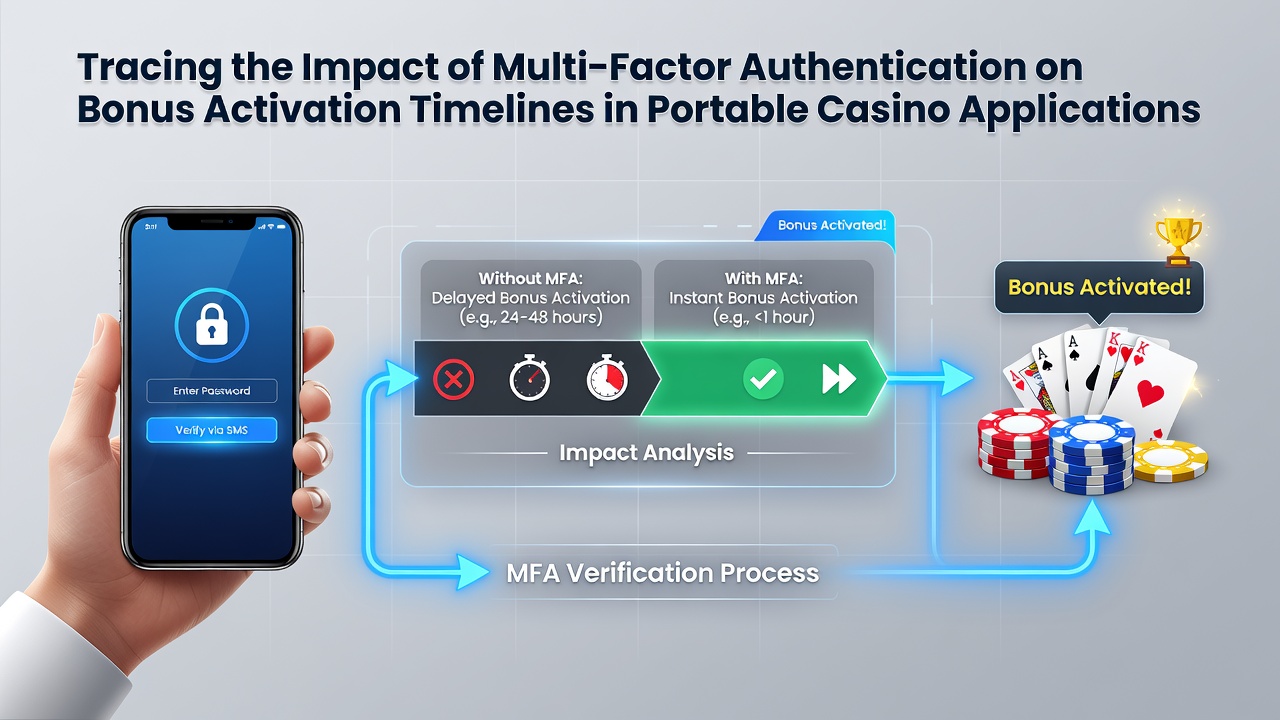
Multi-Factor Authentication Effects on Bonus Release Schedules Within Mobile Casino Platforms
Portable casino applications have integrated multi-factor authentication as a standard security layer since early 2025, and this addition directly influences the duration required for bonus activation across verified user accounts. Operators track activation timelines through backend logs that record each verification step from initial login to reward credit, and August 2026 figures from several regulated markets show average processing times ranging from 45 seconds to four minutes depending on signal strength and device compatibility.
Core Components of MFA in Mobile Gambling Environments
Multi-factor authentication combines something the user knows such as a password with something the user possesses like a one-time code sent via SMS or generated in an authenticator app, while portable devices often add biometric confirmation through fingerprint or facial recognition. Researchers at institutions studying digital security note that these layers operate sequentially in most casino applications, which means each successful check must complete before the system advances to the next stage and processes the bonus request. Data collected from platforms operating in North American jurisdictions reveals that SMS-based codes account for the longest single delay point because network latency varies widely between urban and rural areas.
Bonus Activation Workflow and Timing Measurements
Bonus activation begins when a player completes the required deposit or playthrough threshold, at which point the application triggers an MFA challenge before crediting the reward to the account balance. Studies conducted by the University of Nevada Reno gaming research group demonstrate that accounts using app-based authenticators rather than SMS finish the entire sequence 30 percent faster on average, while devices with pre-enabled biometrics reduce the final step to under 10 seconds in controlled tests. Observers monitoring August 2026 performance metrics across multiple operators report that peak hours between 8 PM and midnight Eastern time produce the highest variance in completion times because server loads increase and push notification delivery slows.
Regional Regulatory Influences on Implementation
State-level rules in New Jersey and Pennsylvania require documented security protocols for any promotional credit, which leads operators to enforce MFA on every bonus claim rather than allowing optional bypasses. The New Jersey Division of Gaming Enforcement publishes quarterly summaries that include aggregated timing data from licensed mobile platforms, and those summaries for the second quarter of 2026 indicate that 92 percent of bonus activations involving MFA completed within the three-minute window operators set as an internal benchmark. Similar requirements appear in Australian state frameworks where the Northern Territory government collects parallel statistics showing comparable patterns on Android and iOS applications alike.
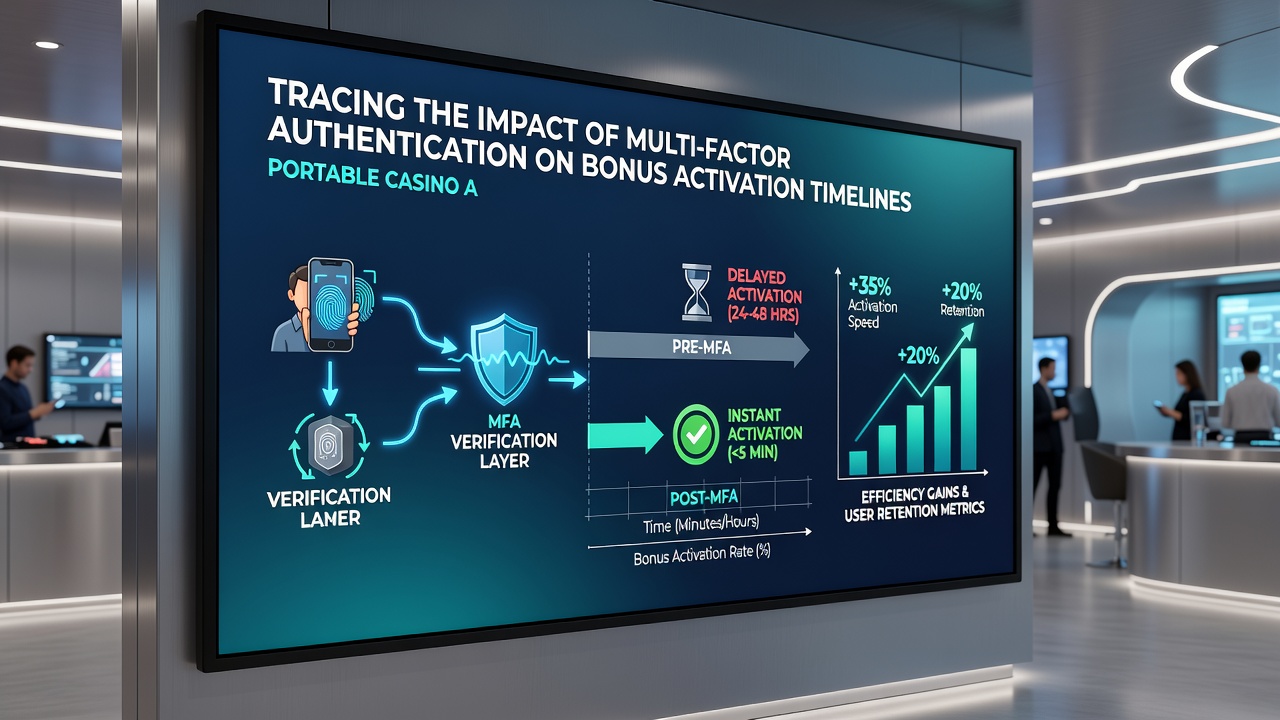
One documented case involves a major operator that adjusted its authentication sequence in July 2026 by allowing biometric verification to run concurrently with code entry on supported devices, and internal logs after the change showed a measurable drop in average activation duration from 2.8 minutes to 1.9 minutes. Those adjustments occurred without altering the required number of factors, which demonstrates that workflow order rather than factor count drives much of the observed timeline variation.
Device and Network Variables Affecting Outcomes
Portable casino applications must accommodate older smartphones that lack modern biometric sensors, forcing users onto slower fallback methods such as email codes or manual entry of temporary passwords. Figures released by the Canadian Gaming Association in its 2026 technology review highlight that iOS devices complete MFA sequences 18 percent quicker than comparable Android models during the same testing period, largely because of differences in push notification handling and app background refresh permissions. Network conditions compound these differences, with 5G connections producing the shortest recorded times and legacy 4G or Wi-Fi networks extending the process by up to 90 seconds in multiple operator datasets.
Security Outcomes and Fraud Reduction Statistics
Although activation timelines lengthen under MFA requirements, the same security layer correlates with lower rates of unauthorized bonus claims according to aggregated reports from licensed operators. The American Gaming Association compiled data across member companies showing a 67 percent reduction in confirmed fraud cases tied to promotional offers between January and August 2026 compared with the prior year before widespread MFA enforcement. This reduction occurs because each verification step creates an additional record that investigators can reference when reviewing disputed transactions.
Future Adjustments and Platform Updates Planned
Developers continue testing adaptive authentication models that adjust factor requirements based on user behavior patterns and device risk scores, which could shorten timelines for low-risk accounts while maintaining stricter checks for new or flagged devices. Early pilot programs running in select markets during August 2026 report that such systems cut average bonus activation times by an additional 25 seconds without measurable increases in security incidents. Industry observers expect broader deployment of these models by the first quarter of 2027 once additional regulatory reviews conclude.
Conclusion
Multi-factor authentication has become a fixed element in portable casino applications, and its integration shapes bonus activation timelines through sequential verification steps that vary by device type, network quality, and chosen authentication method. Data gathered through August 2026 across regulated markets demonstrates consistent patterns where app-based authenticators and concurrent biometric checks produce shorter durations than SMS alternatives, while regional regulations enforce these measures uniformly. Continued refinement of authentication workflows offers operators pathways to balance security requirements with faster reward processing for verified users.