
Mapping Expansion Routes for Legal iGaming Across Additional U.S. States
Current regulated online casino markets stand at eight states, yet industry discussions in August 2026 center on structured approaches that could open further jurisdictions through targeted legislation and phased market entries projected for 2027 and later periods. Analysts track legislative calendars and stakeholder input to identify where bills might advance, noting patterns that link regulatory frameworks from established markets to emerging ones.
Observers note that states without current online casino laws often review models from existing operations, adapting tax structures, licensing requirements, and consumer protections to local priorities. Data from regulatory filings shows steady growth in the eight active markets, which provides reference points for lawmakers evaluating revenue potential alongside responsible gaming measures. This process involves multiple stakeholders including gaming operators, state legislators, and advocacy groups who exchange information on compliance standards that have proven effective elsewhere.
Regulatory Pathways Under Review
Legislative sessions scheduled through 2027 feature proposals that range from pilot programs to full-scale legalization, with timelines that allow for public comment periods and economic impact studies before implementation. Those tracking these developments point to shared elements such as age verification systems, geofencing technology, and revenue allocation formulas that mirror successful elements already in place. Industry reports indicate operators prepare market entry strategies that account for varying state-by-state approval processes rather than assuming uniform nationwide rollout.
Potential new entries hinge on factors including existing land-based casino presence, tribal gaming compacts, and voter sentiment in states where referendums appear on ballots. Research from gaming associations highlights how states balance these elements when drafting bills, often incorporating input from both commercial and tribal sectors to address competitive concerns. Figures from recent legislative tracking reveal multiple states advancing committee reviews that could lead to floor votes in upcoming sessions.
Industry Perspectives on Market Timing
Companies active in current markets assess expansion opportunities by examining regulatory predictability and infrastructure readiness, with several outlining plans that align product launches with 2027 or subsequent years. According to analyses published on SBC Americas, these timelines reflect both legislative cycles and the need for operators to secure licenses, integrate payment systems, and establish local partnerships. Observers note that phased approaches reduce implementation risks while allowing regulators to monitor performance metrics before broader rollout.
Market entry strategies frequently include partnerships with land-based facilities or technology providers already licensed in the state, which can streamline approval processes. Data indicates that states with prior experience regulating sports betting or daily fantasy sports sometimes accelerate iGaming discussions by building on existing oversight structures. This sequencing appears in preliminary bill language that references established regulatory bodies for online platform certification.
Legislative and Stakeholder Dynamics
Committee hearings and stakeholder meetings scheduled across various state capitals gather testimony on economic projections, consumer safeguards, and enforcement mechanisms. Those participating often reference studies from research institutions that quantify job creation and tax revenue under different regulatory scenarios. Evidence from comparable jurisdictions shows how early engagement with these data points shapes bill amendments before final votes occur.
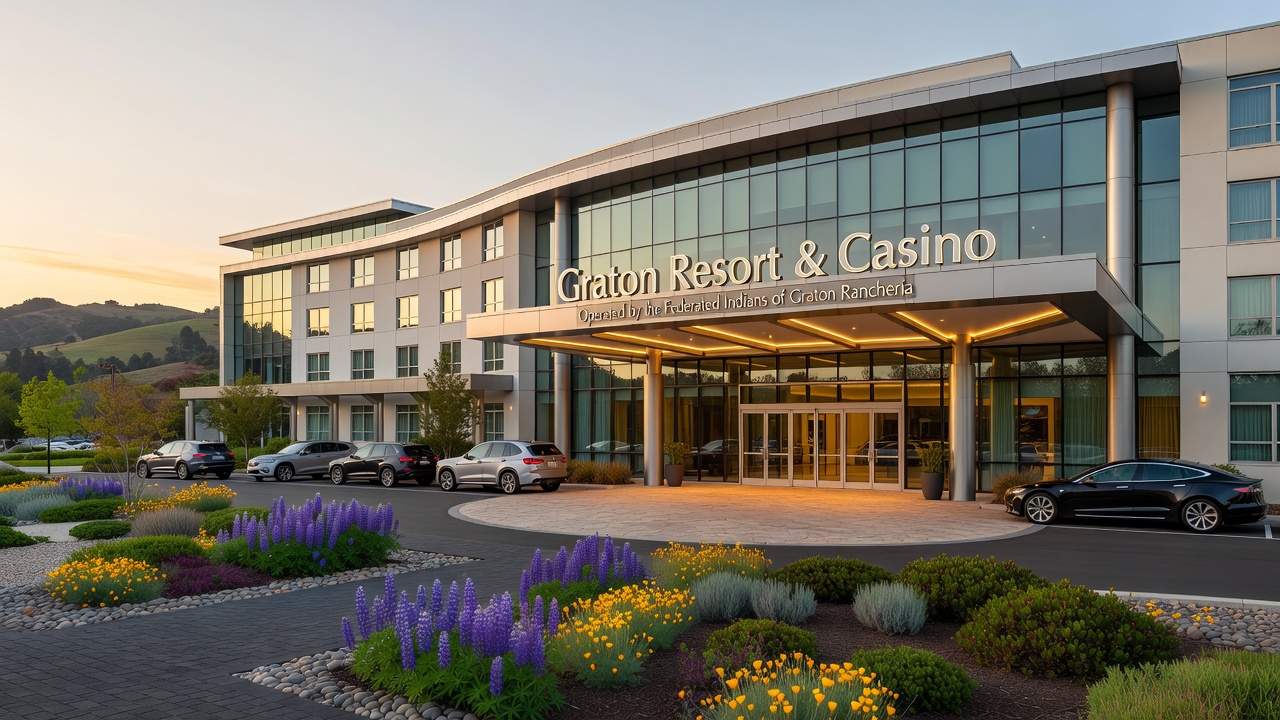
Cooperation between commercial operators and tribal nations features in several ongoing discussions, where revenue-sharing arrangements and exclusivity periods form central negotiating points. Reports from state gaming commissions document how such agreements have supported stable market conditions in places already operating regulated platforms. This collaborative model receives attention from lawmakers seeking to avoid protracted legal challenges during rollout phases.
Projected Developments Beyond 2027
Longer-term forecasts from industry organizations point to additional states evaluating online casino frameworks as part of broader gaming modernization efforts, with some targeting 2028 or later for full activation. These projections incorporate variables such as federal policy shifts, technological advancements in player verification, and evolving public opinion data collected through polling. Regulatory agencies in active markets continue to publish performance reports that serve as reference materials for states in earlier consideration stages.
Preparation activities include workforce development for compliance roles and updates to software platforms that meet multi-state certification standards. Figures compiled by trade groups show investment levels rising in anticipation of new license opportunities, with operators allocating resources toward legal and operational readiness. This groundwork supports smoother transitions once legislative approvals finalize.
Conclusion
The analytical focus on iGaming growth underscores how regulatory paths, legislative calendars, and industry preparation intersect to shape potential expansion beyond the current eight markets. Information shared through industry channels and state processes continues to inform timelines that point toward 2027 and subsequent years for new entries. Observers track these developments through public records and stakeholder updates that detail both opportunities and procedural requirements.