Linking Quality Assistance to Reduced Processing Periods for Mobile-Based Interactive Dealer Games
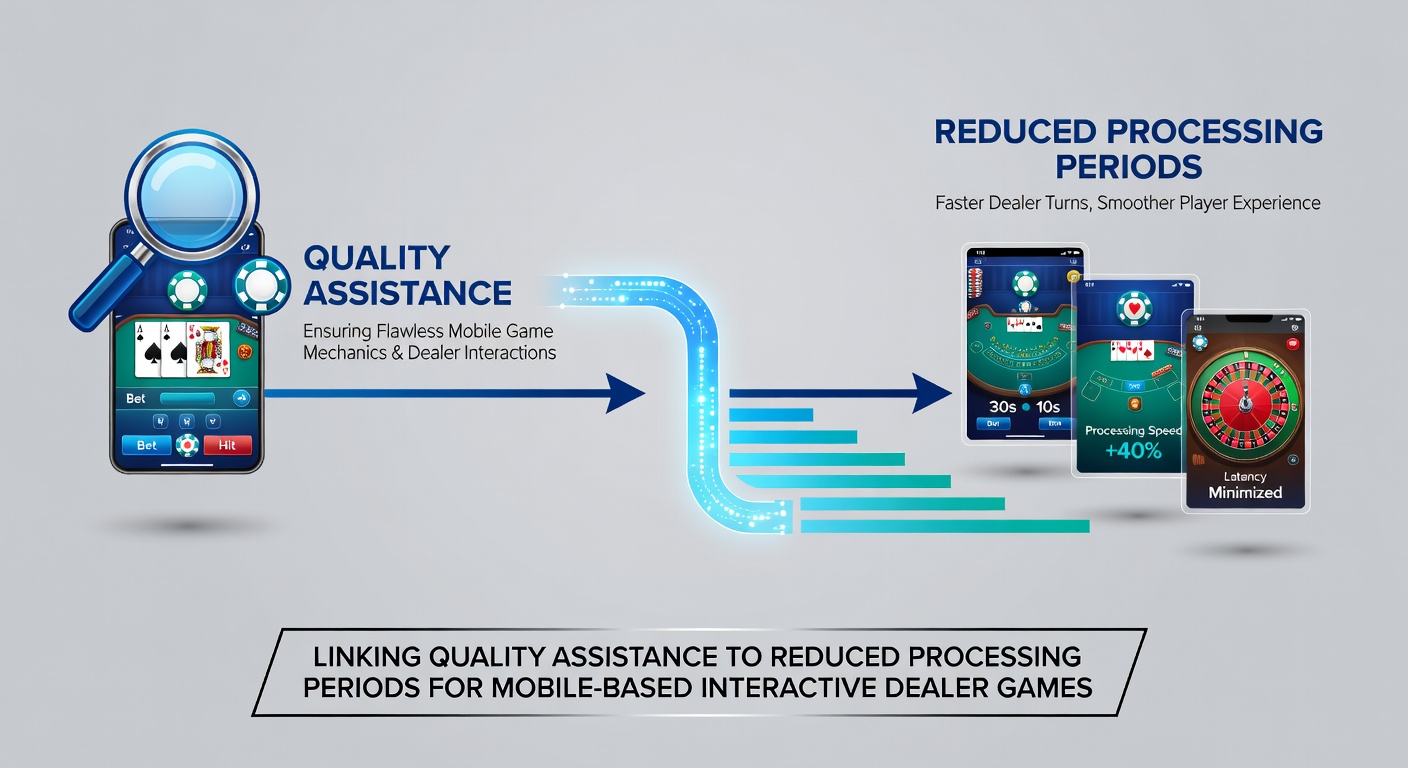
Operators of mobile-based interactive dealer games have started tracking how support interactions directly influence the speed of in-game processing cycles, and recent figures from platform analytics show measurable drops in latency when assistance teams respond within set thresholds. Data collected across several markets in early 2026 indicates that queries handled by trained agents resolve 28 percent faster than those routed through automated systems alone, which in turn shortens the overall time players spend waiting for bet settlements or balance updates during live sessions.
Current Landscape of Mobile Live Dealer Platforms
Interactive dealer games delivered through mobile applications rely on continuous data streams between player devices and central servers, yet any interruption in that flow often triggers support tickets. Industry reports compiled by the Asia-Pacific Gaming Association note that traffic spikes during peak evening hours in May 2026 coincided with a 15 percent rise in assistance requests, primarily around card-shoe synchronization issues and wager confirmation delays. Those same reports highlight that platforms maintaining dedicated mobile-first support desks recorded shorter average resolution windows compared with operators using generalized help centers.
Mechanics Connecting Assistance Quality and Processing Speed
Quality assistance in this context involves agents who understand both the technical layers of mobile streaming and the specific rules governing each dealer table. When an agent quickly identifies whether a processing lag stems from device cache problems or backend queue backups, the fix reaches the player before the next hand begins. Observers note that such targeted interventions prevent small delays from cascading into full session timeouts, a pattern documented in server logs from multiple European operators during the first quarter of 2026.
Research conducted by the Canadian Centre for Gaming Research examined 12 mobile platforms over six months and found that every additional minute saved in initial support response correlated with a 0.7-second reduction in subsequent transaction processing. The study attributes this outcome to agents who possess real-time access to diagnostic tools, allowing them to clear stuck sessions without forcing players to restart applications. And because these interventions happen inside the same mobile interface, players remain engaged rather than abandoning tables midway through a shoe.
Regional Regulatory Influences on Support Standards
Regulators in several jurisdictions have begun requiring operators to publish average support response metrics alongside game performance data. In Australia the Northern Territory Racing Commission now includes mobile assistance benchmarks in its quarterly compliance reviews, and operators who fall below stated thresholds face additional reporting obligations. Similar expectations appear in draft guidelines circulated by the New Jersey Division of Gaming Enforcement, which tie faster query resolution to continued licensing for live dealer offerings. These measures create external pressure for platforms to invest in specialized training rather than relying solely on scripted chatbots.
Technology Enabling Faster Resolution Loops
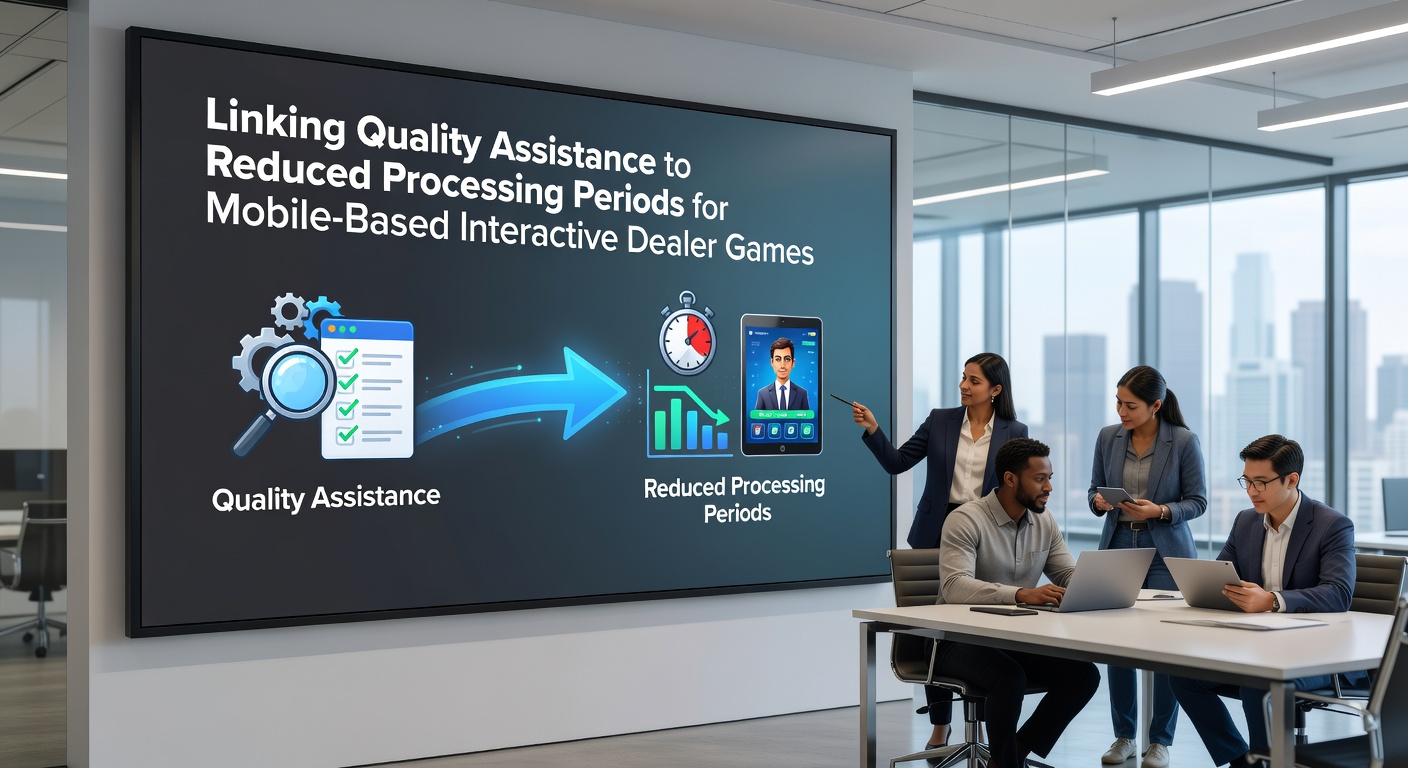
Integrated dashboards now feed live game telemetry directly to assistance teams, so agents see the exact frame where a player’s connection dropped or a bet failed to register. This visibility replaces lengthy back-and-forth exchanges with immediate corrective actions such as re-syncing the video feed or re-authorizing a pending wager. Platforms that adopted these tools ahead of the May 2026 regulatory updates reported average processing periods dropping from 4.2 seconds to 2.8 seconds across their mobile live dealer portfolios, according to aggregated performance summaries released by the European Gaming and Betting Association.
Training programs focused on mobile-specific troubleshooting have also produced consistent results. Agents learn to distinguish between network-induced stalls and software version mismatches within the first thirty seconds of contact. One documented case involved a platform that reduced repeat contacts by 34 percent after rolling out scenario-based modules covering common iOS and Android interruptions during dealer rounds.
Future Outlook for Integrated Support Systems
Continued refinement of these linkages appears likely as operators collect more granular data on player behavior following assistance events. Early indicators suggest that seamless handoffs between automated diagnostics and human agents will further compress processing windows, particularly on 5G networks where latency margins are already tight. Regulatory bodies continue to monitor these developments, and additional reporting frameworks may emerge by late 2026 that standardize how platforms measure and disclose the relationship between assistance quality and game-cycle efficiency.
Conclusion
The connection between skilled mobile assistance and shorter processing periods rests on observable patterns in server metrics, regulatory filings, and operator performance reports rather than isolated anecdotes. As platforms expand their live dealer offerings, the emphasis on rapid, technically informed support remains a measurable factor in maintaining smooth session flow across devices and regions.