Investigating the Effects of Loyalty Program Tiers on Game Selection Preferences in Regulated Internet Gambling Sites
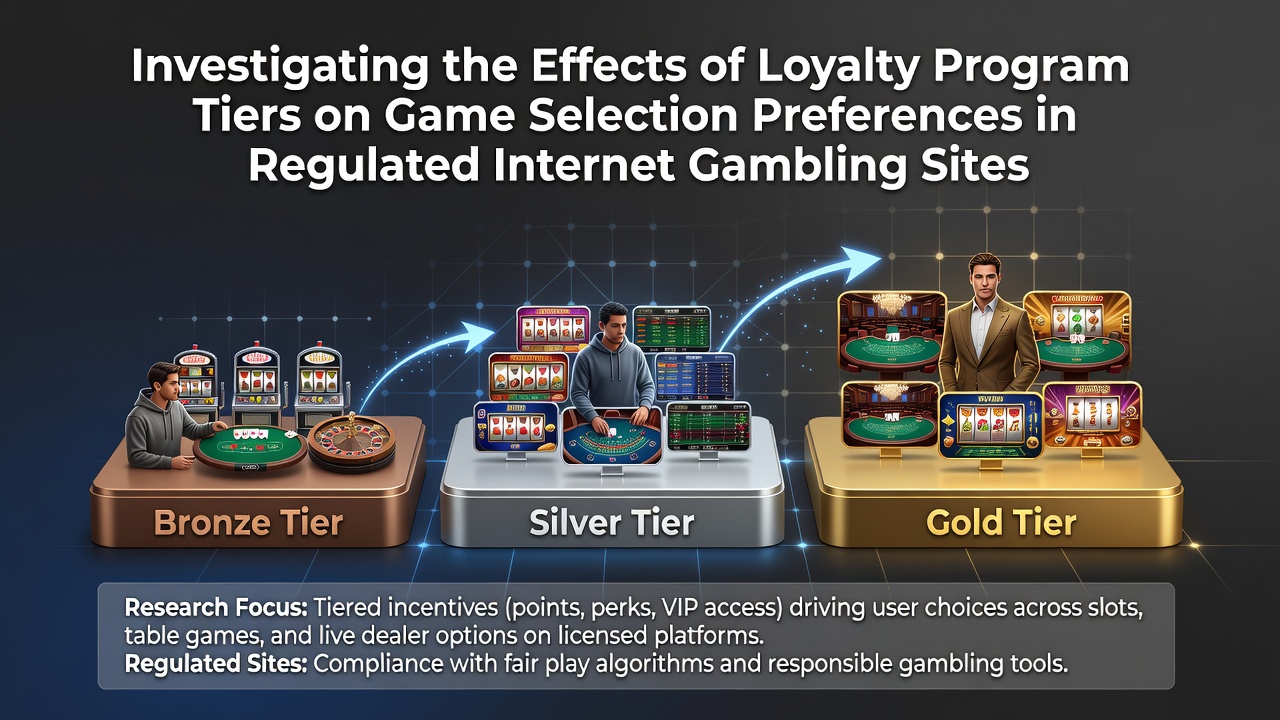
Regulated internet gambling sites have developed structured loyalty programs that divide players into tiers based on activity levels, and these tiers often shape the types of games participants choose during their sessions. Data from multiple jurisdictions indicates that bronze-level members tend to favor low-volatility slots while higher tiers shift toward table games or progressive jackpots that align with reward multipliers, and this pattern holds across markets that require licensing and player verification.
How Loyalty Tiers Operate in Licensed Platforms
Tier systems typically track wagering volume through points that accumulate over time, with thresholds determining access to bronze, silver, gold, or platinum status, and operators in places like New Jersey and Ontario publish annual summaries that show average points earned per tier. Players at entry levels receive standard cashback percentages, whereas those reaching gold status unlock personalized bonuses tied to specific game categories, which in turn influences selection patterns according to reports from the New Jersey Division of Gaming Enforcement.
Platform algorithms adjust available promotions in real time based on tier, so a silver member might see enhanced free spins on video slots while a platinum user receives invitations to exclusive live dealer tables, and these mechanics create measurable differences in game engagement across verified accounts.
Observed Shifts in Game Preferences by Tier
Studies conducted in regulated environments reveal that lower-tier participants often select games with shorter session times and frequent small wins, whereas elevated tiers demonstrate higher engagement with titles that offer larger variance and potential for substantial returns that match their enhanced reward rates. Figures released in June 2026 from several state-regulated operators show a 22 percent increase in table game selections among gold and platinum members compared with the prior quarter, while slot activity remained dominant among bronze users.
One analysis of account data from licensed sites in multiple regions found that players advancing to silver status increased their average wager size on blackjack variants by 18 percent, a change linked directly to tier-specific multipliers that apply only to certain game types.

Regional Data and Regulatory Context
Markets in Australia and parts of Canada maintain strict oversight of loyalty mechanics, requiring operators to report tier progression statistics to independent bodies, and these disclosures indicate consistent preference shifts once players cross into higher reward brackets. In June 2026, updated compliance filings from licensed platforms showed elevated-tier users allocating 35 percent more playtime to games featured in exclusive promotions compared with standard offerings.
European regulators have documented similar trends, noting that tier advancement correlates with selection of live dealer options over automated slots because the former often carry additional loyalty multipliers, and cross-border comparisons confirm the pattern persists regardless of local tax structures.
Factors That Influence Tier-Driven Choices
Game mechanics such as return-to-player percentages interact with tier benefits, so participants at higher levels may prioritize titles where the effective payout improves through cashback or bonus play credits, while entry-level members remain sensitive to game speed and minimum bet requirements. Research from academic institutions tracking verified wagering logs has identified that volatility preferences change as tier status rises, with platinum users showing greater tolerance for high-risk selections that align with their accumulated point values.
Interface elements including personalized lobbies further reinforce these patterns, presenting higher-tier players with filtered game lists that highlight reward-eligible titles, and operators adjust these displays based on aggregated behavioral data collected across thousands of accounts.
Conclusion
Evidence gathered from regulated internet gambling sites demonstrates that loyalty program tiers directly correlate with shifts in game selection preferences, as higher tiers consistently favor categories that maximize available multipliers and exclusive features. Continued monitoring by licensing authorities and research groups will provide additional data points on how these systems evolve in response to player activity and regulatory updates.