Examining Synchronization Patterns Between Game Mechanics and Payment Processing in Regulated Digital Wagering Platforms
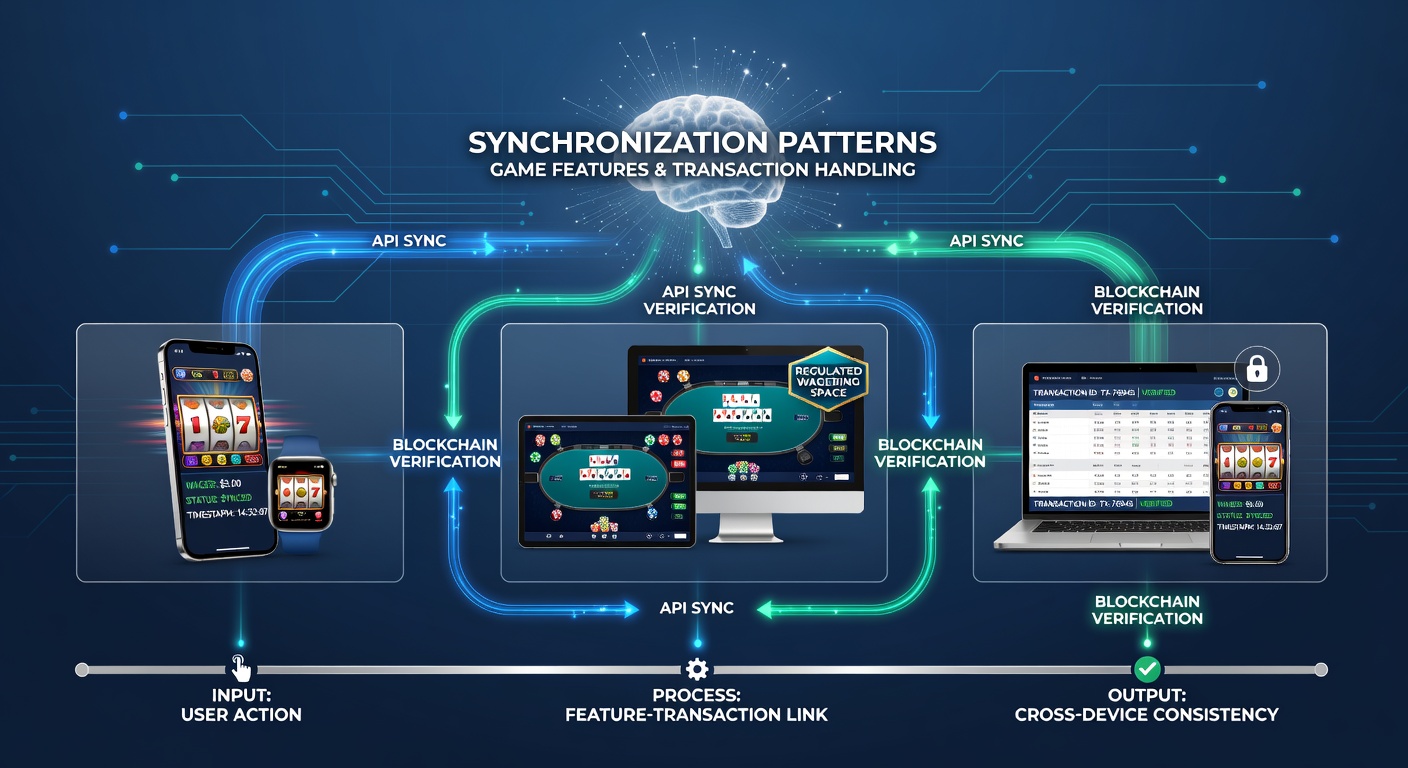
Regulated digital wagering platforms maintain intricate connections between interactive game elements such as live dealer sequences, bonus triggers, and real-time betting adjustments alongside transaction modules that handle deposits, withdrawals, and balance verifications, while device variations introduce distinct latency profiles that operators must calibrate continuously. In June 2026 several multi-state operators reported refined synchronization protocols that reduced mismatch incidents between game state updates and payment confirmations on both iOS and Android ecosystems compared with desktop browser environments where session persistence often allows longer processing windows.
Device Architecture and Transaction Alignment
Mobile applications leverage native APIs to maintain persistent sockets that align game feature events directly with payment gateway calls, whereas desktop platforms frequently depend on web sockets that introduce additional handshakes during high-volume periods such as progressive jackpot triggers or multi-hand table sessions. Data collected across New Jersey and Pennsylvania markets throughout early 2026 indicated that mobile devices completed deposit-to-game-credit cycles in an average of 1.8 seconds when using optimized push-notification confirmations, while desktop sessions averaged 3.2 seconds because of browser cache validation layers that run in parallel with game rendering engines.
Observers note that tablet devices occupy an intermediate category where screen real estate permits simultaneous display of game controls and transaction status panels, yet operating system fragmentation across Android versions creates variable encryption overhead that occasionally delays withdrawal authorization signals back to the game server.
Regulatory Frameworks Guiding Cross-Device Consistency
State gaming commissions require operators to demonstrate that transaction handling remains consistent regardless of access method, a standard that forces developers to implement unified state machines capable of rolling back game outcomes if payment confirmation fails mid-round. Figures released by the New Jersey Division of Gaming Enforcement in spring 2026 showed a 14 percent decline in disputed transaction events after platforms adopted device-agnostic reconciliation engines that timestamp both game actions and financial events against a central ledger. New Jersey Division of Gaming Enforcement compliance summaries further detail how audit logs must capture synchronization metadata including device type, operating system version, and network latency at the moment each bet is placed or settled.
Game Feature Triggers and Payment Latency Interactions
Live dealer environments present unique challenges because card reveals, bet resolutions, and chat interactions generate frequent state changes that must queue alongside pending deposits without creating race conditions. Researchers at several European testing laboratories documented cases where mobile users initiating a deposit during an active blackjack hand experienced momentary balance desynchronization when the game server processed the transaction confirmation after the dealer had already revealed the next card. Such sequences prompted operators to insert micro-delays of 400 milliseconds on mobile clients to allow transaction acknowledgments to propagate before the next game cycle begins.
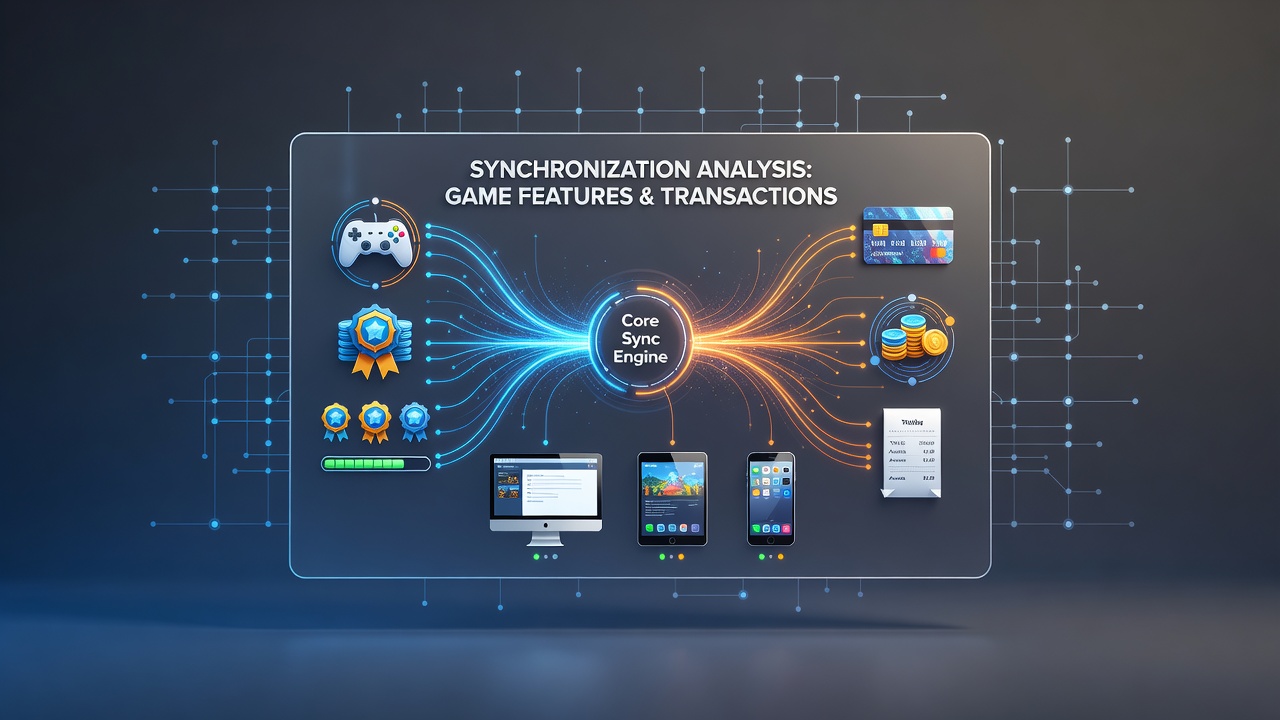
Bonus features tied to deposit thresholds add another synchronization layer, since eligibility checks must reference both the player's current game position and the verified transaction amount before crediting free spins or matched funds. Platforms that segment these checks by device type report fewer eligibility disputes on desktop where session cookies persist longer, while mobile users benefit from biometric authentication that accelerates identity verification yet requires additional confirmation steps when network conditions fluctuate.
Cross-Platform Data Patterns Observed in 2026
Industry reports compiled through June 2026 reveal that tablet users exhibit the highest rate of mid-session deposit attempts, often during extended live dealer sessions, leading operators to prioritize low-latency transaction pathways on those devices. Desktop environments, by contrast, show elevated withdrawal request volumes immediately following large win events because larger screen interfaces facilitate quicker navigation to cashier sections. A collaborative study conducted by the University of Nevada, Las Vegas Center for Gaming Research highlighted that synchronization failures occur most frequently when users switch devices mid-session without proper session migration protocols, prompting several major operators to introduce unified account tokens that preserve game state and pending transaction queues across handoffs.
Yet platform stability metrics continue to improve as developers refine event-driven architectures that decouple game rendering threads from financial processing threads, thereby preventing one subsystem from blocking the other during peak traffic intervals. University of Nevada Las Vegas gaming research publications note that regulated markets with mandatory real-time reporting now capture these decoupled event streams for compliance verification, creating datasets that allow operators to identify device-specific bottlenecks before they affect player balances.
Conclusion
Continued refinement of synchronization mechanisms between game features and transaction systems across device categories remains essential for maintaining regulatory compliance and operational reliability in digital wagering spaces. Patterns documented through mid-2026 underscore the necessity of device-aware calibration that accounts for differing network behaviors, authentication methods, and session persistence models while preserving consistent game integrity and financial accuracy across all access points.