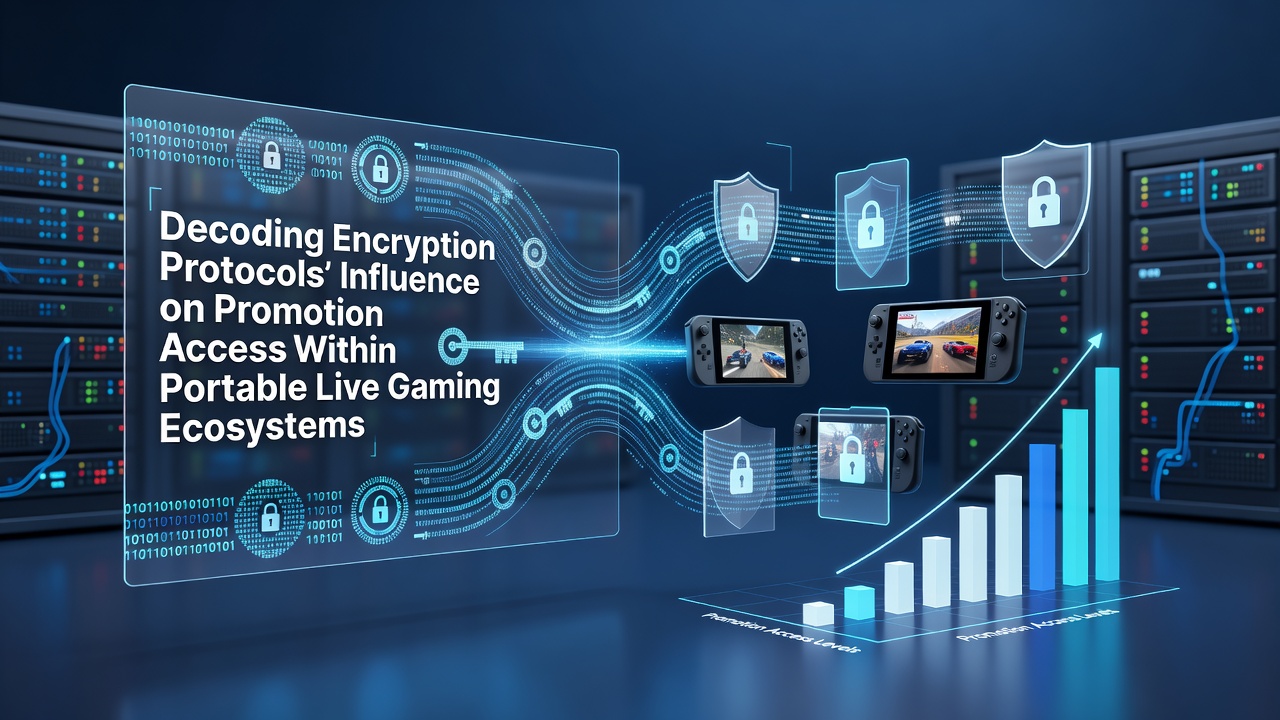
Encryption Protocols Determining Access to Promotions in Mobile Live Gaming Environments
Encryption protocols form the backbone of secure data transmission in portable live gaming ecosystems, where live dealer interactions occur on handheld devices and promotional offers require verified user eligibility before activation. These protocols, including TLS 1.3 and AES-256 standards, encrypt communications between player devices and casino servers, ensuring that sensitive details such as account credentials and transaction histories remain protected during sessions that run through August 2026 and beyond. Research from the National Institute of Standards and Technology highlights how such measures create the necessary conditions for platforms to confirm identity and compliance, which in turn gates access to bonuses like deposit matches or free spins tied to live table games.
Core Mechanisms Linking Security to Eligibility Checks
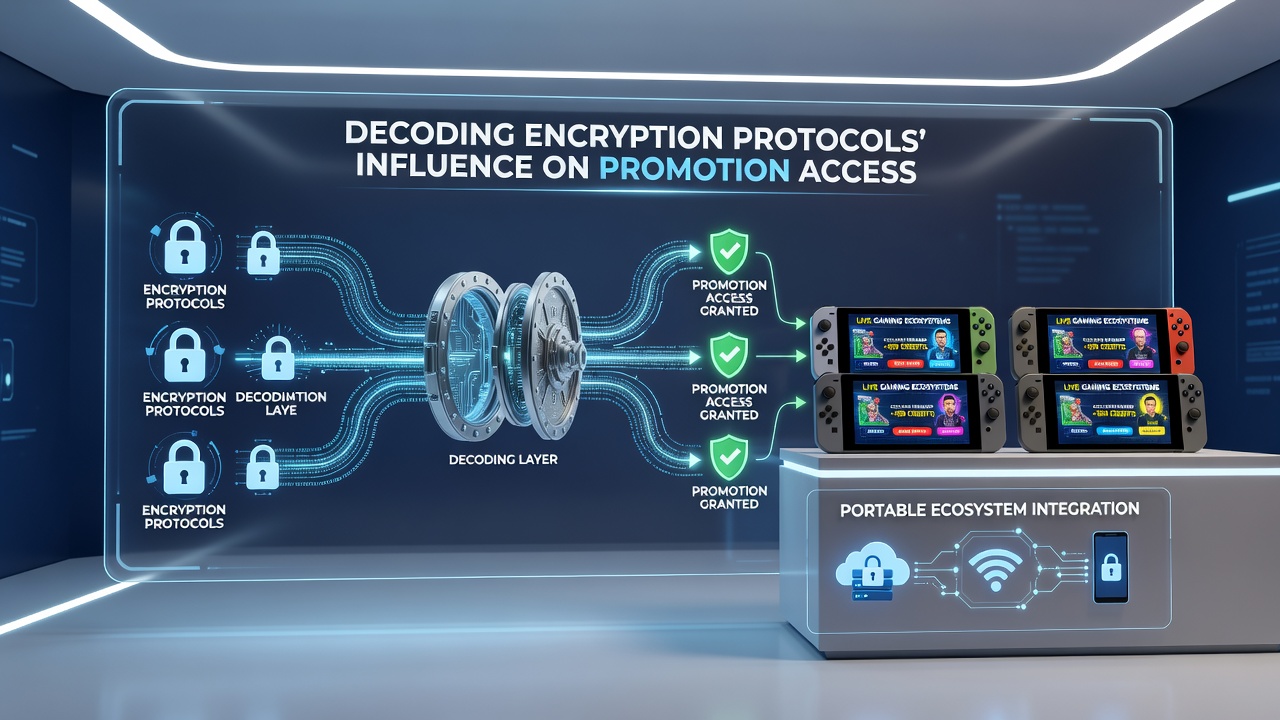
Portable platforms integrate encryption at multiple layers, starting with handshake processes that authenticate connections before any game or promotion interface loads. Once established, these encrypted channels carry real-time data streams from live dealers to users, while simultaneously supporting backend verification routines that scan for fraud patterns or jurisdictional restrictions. Data shows that systems employing end-to-end encryption reduce unauthorized access attempts by substantial margins, allowing operators to release promotional credits only after confirming that sessions meet regulatory thresholds. Observers note that without robust cryptographic safeguards, platforms face delays in processing bonus claims because manual reviews become necessary when security flags arise during mobile interactions.
Verification Flows in Live Dealer Scenarios
During extended live dealer sessions on smartphones or tablets, encryption protocols facilitate continuous authentication that ties directly to promotion unlocks. Players attempting to claim rewards must pass through encrypted portals where device fingerprints, IP locations, and session logs undergo automated scrutiny. Studies indicate that platforms adopting advanced key exchange methods experience fewer interruptions in bonus distribution, since encrypted logs provide immutable records that satisfy audit requirements from bodies such as the Australian Communications and Media Authority. This setup proves especially relevant in August 2026 as more jurisdictions refine mobile gaming rules around data integrity and player protection.
Regional Regulatory Influences on Protocol Implementation
European regulators and Canadian provincial authorities have issued guidelines that tie encryption strength to the approval of promotional campaigns within mobile ecosystems. These frameworks require operators to demonstrate that encrypted pathways prevent manipulation of bonus triggers during live sessions, which influences how quickly rewards become available to verified accounts. Figures from industry reports reveal that casinos updating to newer protocol versions in 2026 report higher rates of successful promotion redemptions because fewer sessions trigger secondary reviews. The Canadian Gaming Association has documented cases where enhanced encryption correlated with streamlined access to loyalty incentives across portable platforms operating under strict oversight.
Technical Challenges and Operational Adjustments
Device variability across mobile operating systems creates hurdles for consistent encryption deployment, since older hardware sometimes struggles with resource-intensive cryptographic computations during simultaneous live play and bonus tracking. Operators respond by optimizing protocol stacks that maintain security without degrading session performance, which indirectly supports smoother promotion eligibility assessments. Research indicates that platforms balancing these factors see measurable improvements in user retention metrics tied to reward systems. What's notable is how these adjustments align with evolving standards that emphasize both speed and protection in handheld environments.
Future Trajectories for Cryptographic Integration
Emerging developments point toward quantum-resistant algorithms entering mobile gaming security suites by late 2026, potentially reshaping how promotional access gets validated in real time. Early testing shows these upgrades maintain compatibility with existing live dealer interfaces while adding layers of defense against future threats. According to analyses from academic research institutions, such transitions could standardize eligibility checks across borders, reducing discrepancies that currently affect bonus availability for international users on portable devices. The reality remains that encryption continues to serve as the gatekeeper determining whether promotional structures activate without friction.
Conclusion
Encryption protocols exert measurable control over promotion access by enforcing secure, auditable pathways that platforms rely upon for compliance and fraud prevention in portable live gaming. As August 2026 unfolds, ongoing refinements in these technologies continue to shape operational practices across the sector, with data underscoring their role in enabling efficient reward distribution. Stakeholders monitor these developments closely because protocol evolution directly affects how users interact with incentives during mobile sessions.