Audio Elements Shaping Extended Play Sessions Within Regulated Online Slot Platforms
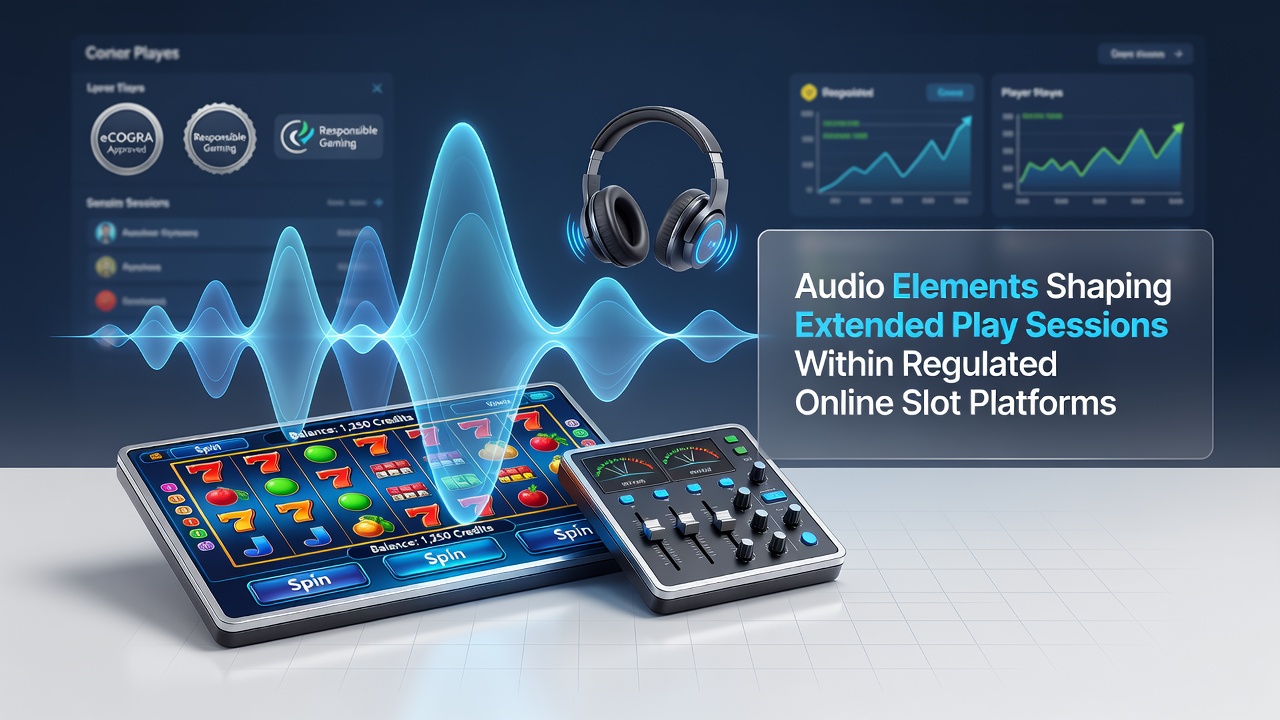
Regulated online slot platforms incorporate layered audio components including background tracks, win chimes, and ambient effects that align with session duration patterns observed across multiple jurisdictions, and these elements connect directly to player retention metrics tracked by operators under licensing requirements. Data from industry reports indicate that synchronized sound cues often extend average session lengths by encouraging continued engagement through rhythmic reinforcement of spins and outcomes.
Core Audio Components in Slot Design
Developers integrate progressive sound layers where base game tracks maintain steady tempos while escalating features trigger intensified audio shifts, and this structure appears in platforms licensed by bodies such as the Nevada Gaming Control Board. Researchers note that reel-stop sounds and multiplier announcements create auditory feedback loops that coincide with extended play intervals documented in operator analytics from 2025 through mid-2026.
Ambient noise beds fill gaps between active spins, incorporating subtle environmental tones that reduce perceived downtime, while win celebrations layer multiple frequency ranges to sustain attention without overwhelming the primary interface. Observers have documented how these combinations appear consistently in games released after regulatory updates in several North American markets.
Regulatory Frameworks and Audio Standards
Compliance rules in places like the Canadian provinces require audio elements to remain within specified decibel ranges and avoid patterns that might encourage uninterrupted sessions beyond certain thresholds, and these guidelines received further clarification in documents circulated during June 2026. Operators must submit sound files for review alongside visual assets, which ensures alignment with responsible gaming protocols enforced by provincial commissions.
Australian regulatory reviews similarly examine audio pacing in digital slots, with emphasis on preventing rapid repetition cycles that could correlate with prolonged activity, and reports from that region highlight audits conducted on platforms serving international users. Such oversight extends to mobile versions where device speakers alter audio delivery compared to desktop setups.
Session Duration Patterns Linked to Sound Design
Analytics platforms reveal correlations between specific audio triggers and session extensions, particularly when progressive jackpots activate escalating musical builds that players encounter during longer runs, and one study from a university research group tracked these interactions across thousands of regulated accounts. Figures show sessions incorporating dynamic audio shifts lasting 15 to 25 percent longer on average than those using static soundtracks.
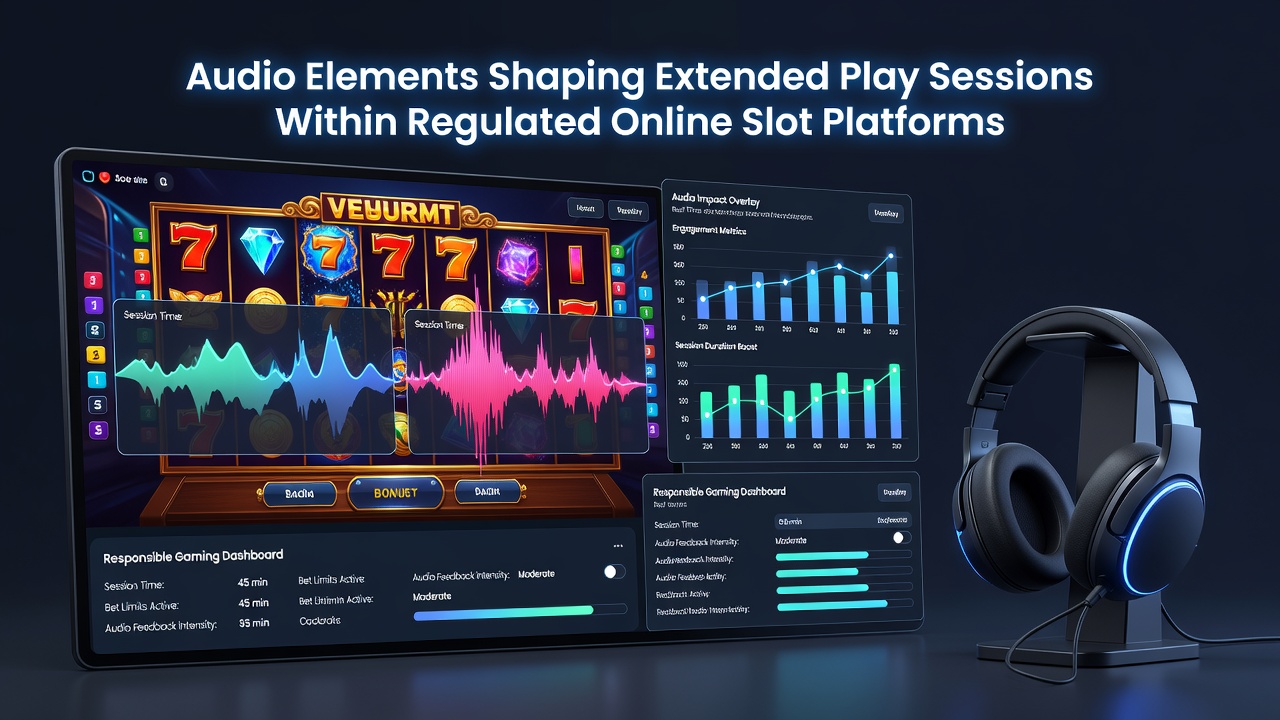
Sound designers adjust frequency emphasis during bonus rounds to match visual animations, which creates cohesive feedback that operators report influences repeat visits within the same week, yet regulatory caps on autoplay features intersect with these audio strategies to maintain session boundaries. People who analyze player data across EU member states note similar patterns emerging after 2025 harmonization efforts on digital gaming standards.
Technical Implementation Across Devices
Platform engineers optimize audio compression for varying connection speeds so that latency does not interrupt sound continuity during extended mobile sessions, and this technical layer supports consistent delivery under rules set by multiple licensing authorities. Adaptive mixing algorithms lower background elements when players activate quick-spin modes, which maintains clarity for outcome sounds even as session times increase.
Integration with haptic feedback on portable devices adds another dimension where vibration patterns sync with audio peaks, and testing data shared at industry conferences in early 2026 demonstrated measurable effects on total spins per session in controlled environments. These refinements occur within frameworks that prioritize transparency in how audio contributes to overall game mathematics.
Comparative Approaches in Global Markets
European operators apply distinct audio palettes compared to North American counterparts, often favoring orchestral elements over electronic pulses, and cross-border comparisons show variations in average session lengths that align with these stylistic choices. Reports compiled by international gaming associations track how localization requirements influence sound libraries while preserving core engagement mechanics.
Platforms serving Asian markets incorporate culturally specific instrumentation that operators adjust based on regional licensing feedback, which results in differentiated retention curves documented through aggregated performance indicators released periodically. These adaptations demonstrate how audio serves as a variable within broader compliance structures rather than an isolated feature.
Conclusion
Audio design in regulated online slot platforms operates as an interconnected system with session metrics, regulatory compliance, and technical delivery methods, and ongoing developments through 2026 continue to shape how these components function together across licensed environments. Observers continue to monitor correlations through established reporting channels that aggregate data from diverse geographic sources.