Alignments in Slot Volatility and Preferred Transaction Methods at Licensed Digital Casinos
Patterns linking slot volatility categories to transaction preferences continue to appear in data collected from licensed digital casinos operating across multiple jurisdictions, and these alignments reflect how players manage risk exposure through their choice of funding and withdrawal channels during sessions that extend into August 2026.
Defining Volatility Levels and Their Operational Context
High-volatility slots deliver infrequent yet substantial payouts while low-volatility titles produce steadier though smaller returns, and medium-volatility games occupy the space between these poles; regulators in several regions track these distinctions because they influence session length and bankroll management strategies that players adopt when engaging with licensed platforms.
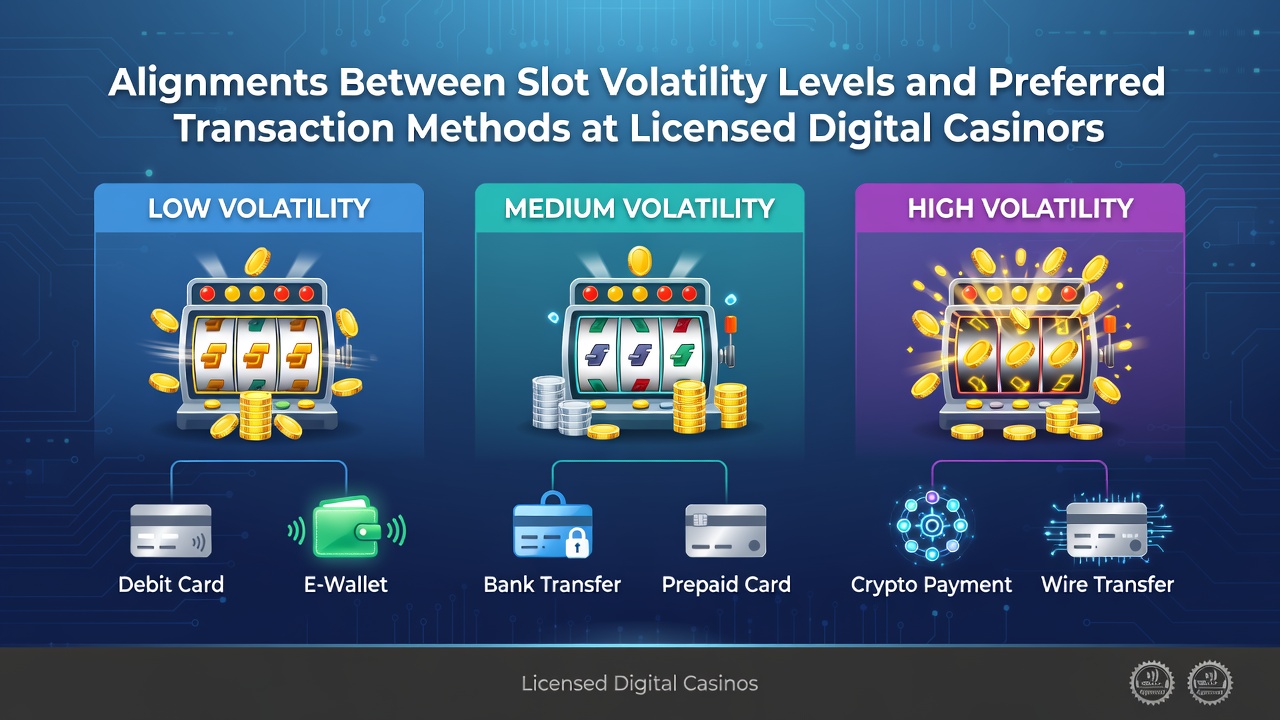
Data compiled by iGaming Ontario shows that participants selecting high-volatility titles often maintain larger initial deposits and favor methods supporting quicker movement of funds, whereas those preferring low-volatility options tend toward transaction channels that accommodate smaller, repeated transfers without elevated fees.
Transaction Method Preferences Across Volatility Segments
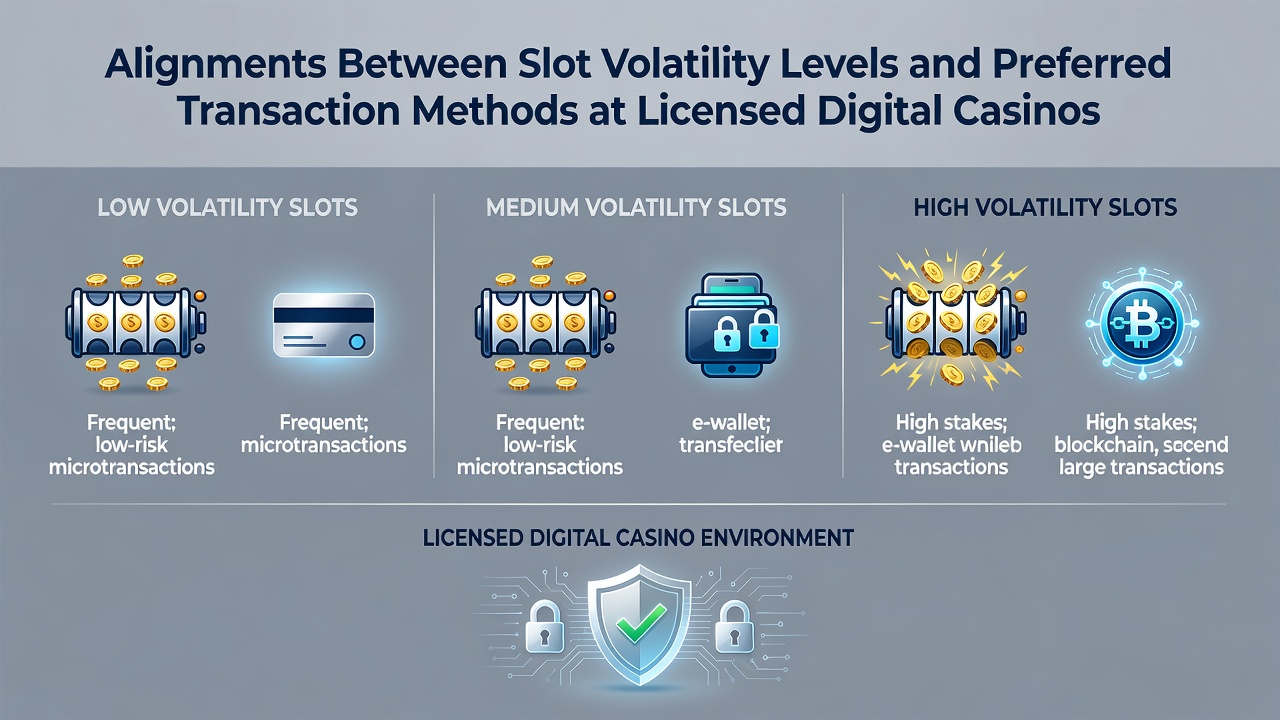
Observers tracking player activity note that cryptocurrency options align more frequently with high-volatility slot play because these methods reduce processing delays during periods when large wins require prompt access, yet credit card and e-wallet systems remain common for low-volatility sessions where players execute multiple modest deposits throughout extended play periods.
High-Volatility Alignments
High-volatility games attract users who accept longer dry spells in exchange for potential large returns, and transaction records indicate these players gravitate toward digital asset transfers that bypass traditional banking hold periods; one study released by the University of Nevada, Las Vegas gaming research division found that 62 percent of high-volatility sessions in sampled Canadian and Australian markets during early 2026 involved cryptocurrency deposits exceeding average platform minimums.
Yet low-volatility titles draw participants who prioritize consistent engagement, and these sessions correlate with bank transfer or prepaid voucher usage that supports incremental funding without triggering additional verification layers at each step.
Regulatory Oversight and Platform Reporting Requirements
Licensed operators must submit transaction and game-type data to oversight bodies, and authorities in Ontario alongside the Victorian Commission for Gambling and Liquor Regulation require segmentation by volatility level so that patterns in payment selection become visible during compliance reviews; these reports reveal that platforms offering instant crypto withdrawals see higher retention among high-volatility players compared with those limited to standard banking rails.
Medium-volatility slots occupy an intermediate position where both e-wallets and traditional cards appear in roughly equal proportions, while operators adjust promotional structures to match observed preferences without altering core licensing conditions.
Regional Variations in Observed Alignments
Markets in North America and parts of Europe display distinct yet overlapping trends, with Canadian provincial data indicating stronger cryptocurrency adoption for high-volatility titles and Australian state reports showing continued reliance on bank transfers across all volatility levels; these differences stem from varying regulatory timelines for digital asset integration rather than player preference alone.
Platform analytics further demonstrate that withdrawal speed expectations rise with volatility, prompting licensed sites to prioritize methods that complete high-value transfers within hours instead of days.
Conclusion
Evidence gathered from licensed digital casino operations establishes measurable connections between slot volatility and transaction method selection, and continued monitoring through August 2026 will clarify whether these alignments strengthen as additional jurisdictions update their frameworks for payment processing and game classification.